When it comes to packaging fresh produce, businesses and suppliers in Australia are always looking for solutions that are practical, hygienic, cost-effective, and sustainable. Among the many options available, lightweight stockinette bags are quickly becoming a top choice for packaging fresh fruits, vegetables, and meat products. Designed to provide maximum ventilation, easy handling, and low environmental impact, these bags offer a range of advantages that make them ideal for the food supply chain.
In this article, we’ll explore why lightweight stockinette bags are a smart packaging solution for fresh produce and how they benefit both suppliers and consumers.
What are Lightweight Stockinette Bags?
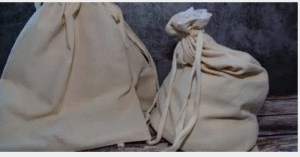 Lightweight stockinette bags are stretchable, breathable packaging bags made from knitted tubular fabric—often polyester, cotton, or blends of synthetic fibres. They are commonly used in the food industry, especially for packaging produce like onions, potatoes, and meats, due to their flexibility and durability.
These bags are called “stockinette” because of their knitted structure, which resembles a fine mesh or netting. This design allows for maximum airflow and reduces moisture buildup, making them perfect for fresh goods.
Key Benefits of Lightweight Stockinette Bags for Fresh Produce
1. Excellent Ventilation for Extended Freshness
One of the main reasons why lightweight stockinette bags are preferred for fresh produce is their ability to provide excellent ventilation. The open-knit design promotes airflow around the produce, reducing the risk of condensation and mould. It is particularly important for root vegetables and fruits that are prone to spoilage when stored in airtight packaging.
By keeping the contents dry and cool, stockinette bags help extend the shelf life of perishable items.
2. Strong Yet Lightweight Design
Despite their lightweight nature, stockinette bags are surprisingly strong. Their stretchy, woven structure can hold a significant amount of weight without tearing, which is essential when handling bulk produce. Their lightweight nature also reduces the overall shipping weight, lowering transportation costs and emissions, which is beneficial for both the environment and your bottom line.
3. Reusable and Eco-Friendly
Many suppliers are turning to lightweight stockinette bags as a sustainable alternative to single-use plastic bags. These bags are reusable, and some varieties are made from recycled or biodegradable materials. Their durability ensures multiple uses before they need to be replaced, making them an eco-conscious packaging option that aligns with modern sustainability goals.
For businesses aiming to reduce their environmental impact, stockinette bags provide a simple yet effective solution.
4. Cost-Effective Packaging Option
Another reason to choose lightweight stockinette bags is their cost-effectiveness. Compared to other packaging materials, stockinette bags are relatively inexpensive to produce and purchase in bulk. Because they are reusable and durable, they reduce the need for constant replacement, saving your business money in the long run.
5. User-Friendly for Retail and Customers
These bags are not just beneficial for suppliers—they’re also practical for retailers and customers. Their flexible, breathable structure makes it easy to see and feel the produce inside, improving customer satisfaction. Whether sold by weight or unit, the transparency and tactile nature of the bag make handling and selecting items easier in store.
6. Customisable for Branding and Identification
Lightweight stockinette bags can be easily customised with labels, colour coding, or tags, allowing businesses to promote their brand or provide important information like product weight, origin, and batch numbers. It adds a layer of professionalism and traceability that is increasingly important in the food supply chain.
Applications of Lightweight Stockinette Bags
Stockinette bags are incredibly versatile and widely used in various sectors of the fresh produce industry. Here are just a few common applications:
- Fruits & Vegetables – Packaging for onions, garlic, potatoes, carrots, citrus fruits, and more.
- Butchery & Meat Processing – Wrapping meat cuts to allow airflow and prevent spoilage.
- Seafood – Ideal for shellfish or crustaceans that benefit from breathable storage.
- Retail & Market Stalls – For display and point-of-sale packaging that’s practical and eco-friendly.
Choosing the Right Supplier
To get the most from lightweight stockinette bags, it’s important to choose a reliable supplier that offers high-quality, food-grade bags suited to your specific needs. Look for suppliers who provide options in various sizes, materials (including biodegradable), and customisation features.
Final Thoughts
In the fast-paced world of fresh produce packaging, lightweight stockinette bags stand out as a practical, sustainable, and cost-effective solution. Their breathable, durable design helps preserve the freshness of food, while their lightweight and reusable nature contributes to lower operational costs and reduced environmental impact.
Whether you’re a farmer, distributor, or retailer, switching to lightweight stockinette bags is a smart move that benefits your products, your customers, and the planet.