Month: April 2026

Shockwave Therapy Adelaide’ Costs, Benefits, and Where to Get Effective Treatment in SA

shockwave therapy

If you’re researching shockwave therapy Adelaide, you’re likely exploring non-invasive options for persistent tendon or musculoskeletal pain that hasn’t improved with standard physiotherapy. Shockwave therapy has become increasingly available in Adelaide clinics as a modern treatment approach for chronic injuries, particularly for people who want to avoid injections or surgery. This article explains how it works, what it treats, what it costs locally, and what you can realistically expect from treatment outcomes in South Australia.

What Is Shockwave Therapy?

Shockwave therapy (also called extracorporeal shockwave therapy or ESWT) is a non-invasive treatment that uses high-energy acoustic waves to stimulate healing in injured tissues. These sound waves are delivered through a handheld device placed on the skin, targeting specific areas such as tendons, ligaments, and muscles.

The main goal is to trigger a biological response that increases blood flow, breaks down calcified tissue, and accelerates tissue regeneration. In Adelaide, physiotherapy and sports medicine clinics commonly use it as part of a broader rehabilitation plan rather than as a standalone cure.

Most sessions last between 10–20 minutes, and patients typically require multiple sessions spaced over several weeks depending on the severity of the condition.

Conditions Commonly Treated with Shockwave Therapy

Clinics offering shockwave therapy Adelaide services most often use it for chronic overuse injuries that have not responded to rest, exercise rehabilitation, or manual therapy.

Common conditions include:

● Plantar fasciitis (heel pain)

● Achilles tendinopathy

● Patellar tendinopathy (jumper’s knee)

● Gluteal tendinopathy

● Tennis elbow (lateral epicondylitis)

● Shoulder calcific tendinopathy

The treatment is especially useful for long-standing tendon conditions where scar tissue or degeneration has reduced the body’s ability to heal naturally.

Shockwave therapy is generally not used for acute injuries (such as fresh muscle tears) but instead targets chronic or degenerative tissue problems that have plateaued in recovery.

Benefits and Expected Outcomes

One of the key advantages of shockwave therapy is that it is non-surgical and requires no anaesthesia or downtime. Many patients in Adelaide choose it because they can continue working and exercising with minimal interruption.

Key benefits include:

● Improved tendon healing response

● Reduced chronic pain levels over time

● Enhanced mobility and function

● Stimulation of new blood vessel formation (neovascularisation)

● Potential reduction in need for injections or surgery

However, results are not immediate. Most patients notice gradual improvement over 4–12 weeks as tissue remodelling occurs. Temporary soreness after treatment is common and usually resolves within 24–48 hours.

It is also important to note that outcomes are strongly influenced by adherence to a rehabilitation program. In Adelaide clinics, physiotherapists often combine shockwave therapy with eccentric strengthening exercises to improve long-term results.

Shockwave Therapy in Adelaide: Availability and Cost

Access to shockwave therapy Adelaide services has expanded significantly in recent years, with many physiotherapy and sports injury clinics across the city offering it as part of their treatment options. It is commonly found in clinics specialising in musculoskeletal rehabilitation, sports medicine, and podiatry services.

Costs can vary depending on clinic location, practitioner experience, and whether it is bundled into a broader physiotherapy session. On average in Adelaide:

● Initial consultation: AUD $80–$150

● Shockwave session: AUD $60–$120 per session

● Typical treatment course: 3–6 sessions

Some private health insurance extras policies may cover part of the cost if the treatment is provided under physiotherapy services, though coverage varies significantly between providers.

Because it is still considered an adjunct therapy rather than a standalone medical procedure, patients are usually advised to undergo a thorough assessment before starting treatment to ensure suitability.

What to Expect During Treatment and Recovery

During a shockwave session, a physiotherapist applies gel to the treatment area and uses a handheld device to deliver controlled pulses. Most people describe the sensation as a tapping or mild discomfort, depending on sensitivity and the area being treated.

A typical treatment plan in Adelaide follows this structure:

● Assessment and diagnosis before starting

● 3–6 sessions spaced 5–10 days apart

● Activity modification during the treatment phase

● Guided rehabilitation exercises

After each session, mild redness, soreness, or swelling can occur. This is generally considered a normal inflammatory response and part of the healing process.

Patients are usually advised to avoid high-impact activity for 24–48 hours post-treatment, but can otherwise continue daily activities.

Who Is a Good Candidate?

Not everyone is suitable for shockwave therapy. It is most effective for individuals with:

● Chronic tendon pain lasting more than 3 months

● Failed response to physiotherapy or exercise alone

● Confirmed tendinopathy via clinical assessment or imaging

It may not be recommended for people with bleeding disorders, nerve conditions in the treatment area, or during pregnancy.

A proper diagnosis from a qualified physiotherapist or medical practitioner is essential before starting treatment.

Final Thoughts

For individuals dealing with persistent tendon pain, shockwave therapy Adelaide clinics offer a promising evidence-based option that bridges the gap between conservative rehabilitation and invasive procedures. While it is not an instant fix, shockwave therapy can significantly improve long-term outcomes when combined with structured rehabilitation and appropriate load management.

If you are considering this treatment, the most important step is a detailed clinical assessment to confirm whether your condition is likely to respond. With the right approach, it can be a valuable tool in restoring function and reducing chronic pain.

Can Recycling Adelaide’ The Complete Guide to Cash Refunds, Depot Locations, and Easy Drop-Off Points in SA

can recycling Adelaide

If you’re searching for practical ways to earn money while reducing waste, can recycling Adelaide is one of the easiest and most rewarding habits you can adopt. South Australia’s container deposit scheme lets eligible drink cans be turned into instant cash, and Adelaide has dozens of refund points, depots, and collection machines to make the process simple for residents.

This guide breaks down exactly how can recycling Adelaide works, where to take your cans, how much you can earn, and the smartest ways to maximise your returns while helping the environment.

Understanding How Can Recycling Works in Adelaide

South Australia operates one of the most successful container deposit schemes in the world. Most aluminium drink cans, including soft drinks, energy drinks, and beer cans, are eligible for a 10-cent refund per container. The goal is to reduce landfill waste and encourage recycling.

In practice, can recycling Adelaide is straightforward: collect eligible cans, ensure they are empty and relatively clean, then return them to an approved refund point. You can choose between automated reverse vending machines or staffed depots depending on convenience.

Where to Recycle Cans in Adelaide

Adelaide offers a wide network of recycling options. These include:

1. Reverse Vending Machines (RVMs)

These are self-service machines located in supermarkets, shopping centres, and public areas. You simply insert your cans, and the machine counts and issues a voucher or direct refund.

2. Collection Depots

Depots accept bulk quantities and are ideal for households, events, or anyone storing large volumes of cans. Staff sort and count containers manually or with machines.

3. Mobile Collection Events

Some councils and community organisations run temporary recycling drives, especially during festivals or clean-up campaigns.

With so many options available, can recycling Adelaide is accessible whether you’re in the city, suburbs, or outer regions.

How Much Money Can You Earn?

Each eligible can is worth 10 cents. While that may not sound like much, the totals add up quickly:

● 100 cans = $10

● 500 cans = $50

● 1,000 cans = $100

Households that regularly recycle can significantly offset grocery costs or save toward bills. Some people even treat can recycling Adelaide as a small side hustle by collecting cans from events or public areas.

Best Types of Cans to Recycle

Not all cans qualify. In Adelaide’s scheme, eligible containers typically include:

● Soft drink cans

● Beer and cider cans

● Energy drink cans

● Sparkling water cans

However, containers that are crushed too flat, heavily contaminated, or outside approved sizes may be rejected. Always check eligibility symbols before collecting large quantities.

Tips to Maximise Your Returns

If you want to get the most out of can recycling Adelaide, efficiency matters. Here are practical strategies:

● Store cans in bulk bags or bins to make transport easier

● Rinse lightly to avoid odour and rejection

● Avoid crushing cans too much so machines can scan them properly

● Separate by material type if mixing with bottles for faster processing

● Plan trips around full loads rather than small batches

Small adjustments can significantly improve your refund experience.

Environmental Benefits of Recycling Cans

Beyond the financial incentive, can recycling Adelaide plays a major role in sustainability. Aluminium is one of the most recyclable materials on Earth and can be reused indefinitely without loss of quality.

By recycling, you help:

● Reduce landfill waste

● Lower energy consumption in manufacturing

● Decrease mining demand for raw materials

● Cut greenhouse gas emissions

Even modest recycling habits across thousands of households create a measurable environmental impact in South Australia.

Common Mistakes to Avoid

Many people unintentionally reduce their refund returns due to simple errors:

● Mixing eligible and ineligible containers

● Leaving liquid inside cans

● Damaging barcodes beyond recognition

● Using non-approved collection points

Avoiding these mistakes ensures smoother and faster processing when using can recycling Adelaide facilities.

Is It Worth the Effort?

Absolutely. While individual cans are low value, consistent recycling creates meaningful returns over time. Families, sports clubs, schools, and community groups often use can recycling Adelaide programs to fund activities or raise donations.

The convenience of widespread drop-off points also means it doesn’t require major effort to participate regularly.

Final Thoughts

Can recycling is more than just a way to earn a few extra dollars—it’s a simple, effective system that benefits both individuals and the environment. With Adelaide’s well-established container deposit scheme, residents have easy access to refund points and recycling infrastructure across the city.

By making can recycling Adelaide part of your routine, you contribute to a cleaner city, reduce waste, and earn cash at the same time. Whether you’re collecting casually at home or actively gathering cans from events, the system is designed to reward participation and encourage sustainable habits across South Australia.

Roofs Adelaide’ Licensed vs. Unlicensed Roofers—Why It Matters More Than You Think

roofs in Adelaide

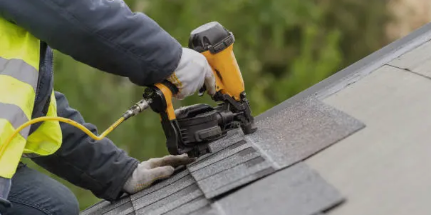
When it comes to protecting your home, few decisions are as important as choosing the right roofing professional. In Adelaide’s variable climate—where hot summers, heavy rain, and occasional storms all take a toll on residential and commercial structures—the quality of your roofs in Adelaide can directly impact safety, energy efficiency, and long-term property value. That’s why understanding the difference between licensed and unlicensed contractors is essential.

Homeowners searching for reliable roofs Adelaide services often assume all roofers offer the same level of expertise. Still, the reality is far more complex and can significantly affect both cost and outcomes.

Understanding Roofing Licenses in South Australia

In South Australia, roofing work is regulated to ensure compliance with safety standards, structural integrity, and building codes. Licensed roofers are required to hold registration through relevant authorities, demonstrating that they meet strict criteria for training, experience, and insurance coverage. This licensing is not just a formality—it is a safeguard for homeowners.

Licensed professionals are accountable to regulatory bodies, which means their work is subject to inspection and legal standards. They must follow Australian Building Codes and Standards, ensuring that the materials used are appropriate for Adelaide’s climate, including high UV exposure and seasonal rainfall fluctuations.

Unlicensed roofers, on the other hand, operate without formal approval. While they may offer lower upfront costs, they are not bound by the same compliance requirements. This can lead to inconsistent workmanship, unsafe installations, and potential legal issues if something goes wrong.

For homeowners evaluating roofs Adelaide options, understanding these differences is the first step in avoiding costly mistakes that may not become apparent until years later.

The Hidden Risks of Hiring Unlicensed Roofers

At first glance, unlicensed roofers may seem like a budget-friendly choice. They often advertise lower rates and quicker turnaround times. However, these apparent savings can quickly disappear when problems arise.

One of the most significant risks is a lack of insurance. If an unlicensed roofer causes damage to your property or suffers an injury on-site, the homeowner may be held financially responsible. Additionally, poor workmanship can lead to roof leaks, structural weaknesses, and inadequate insulation, all of which can significantly escalate repair costs over time.

In Adelaide, where sudden weather changes can put roofing systems under stress, improper installation can lead to water ingress during storms or heat damage during summer months. These issues are often not immediately visible, meaning homeowners may only discover them when the damage has already spread.

Another concern is non-compliance with building codes. If roofing work does not meet local standards, it may need to be redone entirely before a property can be sold or insured properly. This can cause major financial setbacks and legal complications.

Choosing unlicensed contractors for roofs Adelaide projects is therefore a risk that often outweighs any short-term savings, especially when considering long-term durability and compliance.

The Value of Hiring Licensed Roofing Professionals

Licensed roofers provide a level of assurance that is difficult to match. They are trained to assess roofing structures accurately, recommend appropriate materials, and complete installations that align with Australian standards. This expertise is particularly important in Adelaide, where roofing systems must withstand both heat stress and seasonal rainfall.

One of the key benefits of hiring licensed professionals is accountability. If issues arise after installation, homeowners have legal recourse and warranty protections. Licensed contractors are also more likely to offer detailed workmanship guarantees, giving clients added peace of mind.

In addition, licensed roofers typically use higher-quality materials sourced from reputable suppliers. This ensures better durability, improved energy efficiency, and longer roof lifespan. Over time, this can significantly reduce maintenance costs and improve overall property value.

When investing in roofs Adelaide services, many homeowners find that choosing licensed professionals ultimately proves more cost-effective. While initial quotes may be higher, the reduction in repair frequency and risk exposure often leads to lower lifetime expenses.

How to Verify a Roofing Contractor’s Credentials

Before hiring a roofing contractor, homeowners should verify the contractor’s licensing and credentials. In South Australia, this can usually be done through official government or industry databases. A reputable roofer will have no issue providing license numbers, insurance documentation, and references from previous clients.

It is also important to check for experience specific to Adelaide’s conditions. Roofers familiar with local climate challenges are better equipped to recommend suitable materials, such as metal roofing for heat reflection or tiled systems for insulation balance.

Online reviews, word-of-mouth recommendations, and portfolio examples can also provide insight into a contractor’s reliability. However, these should always be considered alongside formal licensing verification.

Making the Right Choice for Your Home

Ultimately, the decision between licensed and unlicensed roofers comes down to risk management. While unlicensed options may appear attractive due to lower pricing, the potential for structural damage, legal issues, and long-term repair costs makes them a less reliable choice.

For homeowners investing in roofs Adelaide solutions, prioritizing licensed professionals ensures compliance, safety, and durability. A properly installed roof is not just a structural necessity—it is a long-term investment in the protection and value of your property.

Conclusion

Your roof is one of the most critical components of your home, and choosing the right contractor should never be an afterthought. In Adelaide’s demanding climate, the difference between licensed and unlicensed roofers can determine whether your roof lasts decades or becomes a recurring expense.

By prioritising licensed professionals, homeowners gain peace of mind, regulatory protection, and higher-quality workmanship. In the long run, this choice supports both financial security and structural reliability, making it one of the most important decisions in any roofing project.

Electrician Unley’ Frequently Asked Questions When Hiring a Local Electrician

electrician Unley

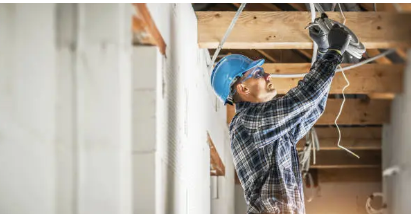
When it comes to electrical work in your home or business, finding a qualified professional is essential. Residents of Unley, SA, often seek reliable services, which makes knowing the right questions to ask an electrician Unley critical. From safety concerns to service costs and guarantees, understanding the essentials ensures you hire a licensed professional who can deliver quality results. In this guide, we explore frequently asked questions that will help you make informed decisions when choosing an electrician in Unley.

What Licenses and Qualifications Should an Electrician in Unley Have?

One of the first questions to ask when hiring an electrician in Unley is about their licenses and qualifications. In South Australia, electricians must hold a valid Electrical Work Licence issued by the Office of the Technical Regulator (OTR). This ensures that the professional has completed the required training and adheres to safety regulations. Additionally, it’s worth checking if the electrician is a member of a professional body, such as the Master Electricians Association of Australia (MEAA), which indicates ongoing professional development and a commitment to quality service.

How Much Does an Electrician in Unley Charge?

Cost is a common concern for Unley residents. Electrician fees in the area can vary depending on the type of work required, urgency, and experience level. Standard hourly rates for licensed electricians in Unley usually range between AUD 80 and 120 per hour, while emergency call-outs may attract higher fees. It’s important to request a clear, written quote before hiring. Transparent pricing helps prevent unexpected costs and lets you compare electricians in Unley without compromising on quality.

Do Electricians Offer Warranties or Guarantees?

A professional electrician Unley should provide warranties for both parts and labour. Most reputable electricians offer guarantees that cover faulty workmanship or defective materials. This is especially important for larger projects, such as switchboard upgrades, lighting installations, or rewiring. Asking about warranties upfront ensures that you are protected and can rely on your electrician to rectify any issues that may arise after the work is completed.

How Quickly Can an Electrician Respond to Emergencies?

Electrical emergencies can happen at any time, from power outages to faulty wiring that poses a fire risk. Residents in Unley often ask about response times and availability. A reliable electrician should offer prompt emergency services, typically within a few hours, depending on the severity of the problem. It’s also helpful to check if they provide 24/7 support, especially if you run a business where downtime can affect operations. Having a trusted local electrician on call ensures peace of mind in urgent situations.

How Experienced is the Electrician in Specific Services?

Unley homeowners often need electricians for a range of tasks, including lighting installations, energy-efficient upgrades, smoke alarm installations, and safety inspections. Asking about an electrician’s experience with specific services helps you match your needs with their expertise. Experienced electricians can offer advice on the most cost-effective solutions, modern technologies, and compliance with South Australian electrical standards, ensuring that your property remains safe and efficient.

Are the Electrician’s References and Reviews Reliable?

Checking references and online reviews is a practical way to gauge an electrician’s reputation in Unley. Satisfied clients often share their experiences on Google, social media, or local community forums. Positive feedback about punctuality, professionalism, and quality of work indicates a trustworthy electrician. Additionally, directly asking past clients for references allows you to verify their work and build confidence before making a hiring decision.

What Safety Measures Does the Electrician Follow?

Safety is paramount when dealing with electricity. Residents should ask electricians about the precautions they take during work. This includes proper insulation, use of safety gear, and adherence to Australian electrical standards. A qualified electrician Unley will also ensure that the work site is safe for both workers and occupants, reducing the risk of accidents or damage. Discussing safety measures in advance demonstrates the electrician’s professionalism and commitment to protecting your home or business.

How Do I Know If the Work Requires Permits?

Certain electrical projects in South Australia require permits or inspections, particularly if they involve major rewiring, new installations, or upgrades to the electrical panel. A knowledgeable electrician in Unley will guide you through the permit process, ensuring compliance with local regulations. This helps prevent legal issues and ensures that all work meets safety standards.

Conclusion

Hiring an electrician in Unley, SA, doesn’t have to be overwhelming if you know the right questions to ask. From licensing and warranties to emergency response and safety measures, understanding these key points empowers you to choose a skilled, reliable professional. By taking the time to research, request quotes, and check references, you can secure a trusted electrician Unley who delivers high-quality service and peace of mind.