Outdoor Sports

Foiling: Ride the Future of Water Sports

New Zealand, with its pristine coastlines, crystal-clear lakes, and consistent wind conditions, has become a hub for cutting-edge water sports, and professional foiling is leading the charge. Whether you’re an experienced water sports athlete or an enthusiastic beginner aiming to elevate your game, foiling offers an unmatched experience of gliding effortlessly above the water. For professional foiling services, click here.

What is Professional Foiling?
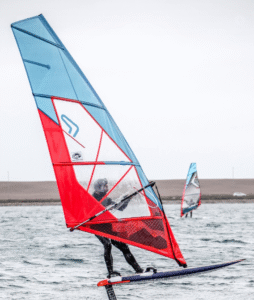
professional foilingProfessional foiling refers to the sport of riding a hydrofoil board — a specially designed board equipped with a mast and wing beneath the surface of the water. This technology lifts the board above the water at speed, reducing drag and creating a sensation often described as “flying” over the waves.

Foiling has evolved into several categories, including wing foiling, kite foiling, wind foiling, and surf foiling. What started as a niche activity has now grown into a professional sport with dedicated athletes, competitions, and training facilities across New Zealand.

Why New Zealand is a Foiling Paradise

New Zealand’s natural environment is ideally suited to professional foiling. With over 15,000 kilometres of coastline, countless lakes, and consistently strong wind patterns, foilers have access to a wide variety of conditions. Popular foiling spots include:

  • Auckland’s Waitematā Harbour: Calm waters and easy access for wing foiling and kite foiling.
  • Raglan: Famous for its surf breaks, it is now also a hotspot for surf foiling.
  • Lake Taupō: Freshwater foiling paradise with reliable winds for wind foiling.
  • Bay of Islands: Stunning scenery and open waters make it a favourite among professionals.

These locations are not only picturesque but also offer reliable wind and wave conditions, making New Zealand a global destination for training and competition.

The Rise of Professional Foiling in New Zealand

In recent years, professional foiling has seen explosive growth in New Zealand. Top athletes are pushing the limits of speed, distance, and aerial tricks, attracting sponsorships and media coverage. Several local brands now manufacture high-quality hydrofoil gear, and international brands see New Zealand as an essential market.

New Zealand also hosts foiling events and competitions, drawing professional riders from around the world. Events like the New Zealand Wingfoil Nationals and various hydrofoil regattas provide a platform for athletes to showcase their skills and elevate the sport’s profile.

How to Get Started with Foiling

For those interested in stepping into the world of professional foiling, New Zealand offers excellent infrastructure. Here’s how to get started:

Take Professional Lessons

Foiling has a learning curve, and taking lessons from a certified instructor is the best way to accelerate progress. Many coastal towns offer lessons tailored to beginners and intermediate riders. Professional instruction ensures you learn the proper techniques and safety practices from day one.

Choose the Right Gear

Investing in the right equipment is critical. Depending on your discipline (wing, kite, wind, or surf foiling), you’ll need a suitable hydrofoil, board, and, in some cases, a wing or kite. Local shops and rental centres across New Zealand can guide you on the best gear to match your skill level and goals.

Practice at Safe Locations

Beginners should start in calm, flat-water locations with minimal boat traffic. As you progress, you can explore more challenging conditions and wave spots. Always check local weather forecasts and consult with local riders before heading out.

The Benefits of Professional Foiling

Professional foiling offers more than adrenaline and speed—it’s a full-body workout that challenges balance, strength, and endurance. Beyond fitness, foiling connects riders with nature, providing a meditative experience of gliding silently over water.

Other key benefits include:

  • Sustainability: Foiling requires minimal environmental impact — no motors, no noise pollution.
  • Versatility: You can foil in lakes, harbours, rivers, and the ocean, making it a year-round sport in New Zealand.
  • Community: The foiling community is welcoming and growing rapidly, with regular meet-ups, clinics, and competitions.

Conclusion:

New Zealand has firmly established itself as a world-class destination for professional foiling. With its exceptional natural conditions, passionate community, and rising number of professional events, the country offers unparalleled opportunities for foilers of all levels. Whether you’re looking to improve your skills, enter competitions, or experience the magic of flying over water, New Zealand is the ultimate playground for professional foiling.
Tips for Choosing a Bike Shop

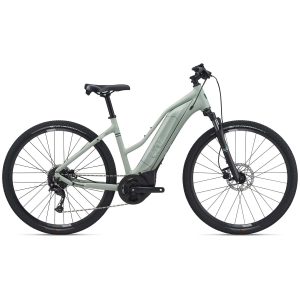
There are several tips that you can use when choosing a bike shop. These include location, Brand selection, and Customer service. The most important thing to remember when buying a bike is to buy the correct size. It is similar to buying a pair of shoes. Most bike shops offer exchange policies to ensure you buy the right size. It is also important to know what kind of warranty your bike has. If you aren’t completely happy with your bike, you can always return it for a refund.

Questions to ask yourself before choosing a bike shop

bike shop ChristchurchChoosing the right location for your bike shop is vital to its success. Ideally, you will want a prime location with plenty of foot traffic. It means a busy street or even a space in a shopping centre. Your shop should also be in an area that has few direct competitors.
A good bike shop in Christchurch will prioritize customer service. You can expect to receive a professional fitting, as well as discounted accessories and parts. Don’t be afraid to ask about extras like the type of saddle. Some bike shops may be able to swap out parts to ensure that you’re happy with your purchase.

Lastly, you should know the type of cyclist you are. Knowing your riding style will help you decide which bike is the best for you. This way, you can compare your new bike against your expectations. Depending on your budget and how much you’re willing to spend, you can select a more expensive bike or an inexpensive one.

Your height and weight are important factors to consider when buying a bike. A bicycle frame is designed to hold no more than two hundred and sixty pounds, although some riders need a higher weight capacity. Additionally, you should take your current bike with you if you get an e-bike.

You should also consider the staff’s knowledge and friendliness. Bicycle technology is ever-changing, and it cannot be easy to keep up with the science incorporated into each bicycle.

A knowledgeable, friendly staff will save you time and energy. Alternatively, unfriendly staff can make your experience even worse.

Conducting market research is crucial before opening a bike shop. You should know the size of the local bicycle market and what type of bikes your local customers buy. Also, you should know how many other bike shops there are in your area. These answers help you decide your market segment, products, and services.

Bike shops often have sales and are happy to offer discounts. Many bike shops will even offer deals on accessories if you’re a regular customer.

Brand selection

Brand selection is one of the most important aspects of running a successful bike shop. It will determine the number of customers who will visit your shop. Ideally, your bike shop should be where people will frequently use bikes. An ideal location is a city centre with a lot of pedestrian traffic. It should also be in an area where there are no direct competitors.

It is important to know your budget before you start shopping. It will help you focus your choices and make a more informed decision. Choose the most appropriate model for your budget. Avoid wasting money on a bike that will not last very long or break easily. A bike with a higher budget is likely lighter and has more features and efficient components.

Customer service

Customer service is an important consideration when choosing a bike shop. Customers should feel welcomed and appreciated in a bike shop and comfortable discussing any concerns or questions. The manager and owner should set a good example. This way, customers will be more likely to be satisfied with the service they receive.

A bike shop should be close to cyclists’ homes or workplaces and on their routes. They should have knowledgeable staff that can explain the features of various products and help them make the best decision. The staff should be pleasant and professional but should try to separate personal preferences from factual information.

What is a Whitewater Cataraft?

Whitewater catarafts are inflatable boats specifically designed for use in whitewater rivers. They are typically made from PVC or other high-strength materials and have multiple air chambers that help to provide additional stability and safety in rough water conditions. 

Outdoor Play whitewater catarafts also usually have a higher capacity than traditional rafts, making them ideal for larger groups or families who want to enjoy a day on the river together. If you’re looking for a boat that can handle the challenges of whitewater rivers, then a whitewater cataraft is the way to go.

What’s The Difference Between A Cataraft And A Raft?

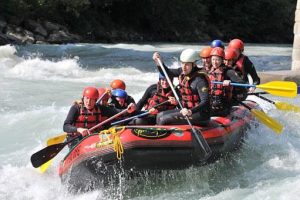
Outdoor Play whitewater cataraftsThe main difference between a cataraft and a raft is the number of air chambers. A cataraft typically has two or three separate chambers, while a raft usually only has one. This gives the cataraft more stability in rough water conditions, as each chamber can help keep the boat afloat even if one of them becomes punctured. 

Additionally, catarafts are often narrower than rafts, making them easier to maneuver in tight spaces and around obstacles. This can be a big advantage when navigating your way down a challenging whitewater river.

Why Choose A Cataraft Over A Raft?

There are a few key reasons you might want to choose a cataraft over a traditional raft. First, as we mentioned before, catarafts are much more stable in rough water conditions. You’ll be less likely to tip over or capsize, even if the river is running high and fast. 

Additionally, catarafts are often easier to maneuver than rafts. This can be a big advantage when trying to navigate your way through tight spaces or around obstacles. And finally, catarafts typically have a higher capacity than rafts, so they’re perfect for larger groups or families who want to enjoy a day on the river together.

What are the Advantages of a Cataraft?

There are several advantages of choosing a cataraft over a traditional raft, including: 

  • Catarafts are much more stable in rough water conditions. You’ll be less likely to tip over or capsize, even if the river is running high and fast. 
  • Catarafts are often easier to maneuver than rafts. This can be a big advantage when trying to navigate your way through tight spaces or around obstacles. 
  • Catarafts typically have a higher capacity than rafts, so they’re perfect for larger groups or families who want to enjoy a day on the river together. 

What are the Disadvantages of a Cataraft?

There are also a few disadvantages to consider before choosing a cataract, including: 

  • Catarafts can be more expensive than rafts. 
  • Catarafts can be heavier and more difficult to transport than rafts. 
  • Catarafts may not be the best choice for beginners or those new to whitewater rivers. 

Now that you know more about whitewater cataracts, you can decide if one is right for your next river adventure. Whether you’re looking for a stable and sturdy boat for rough water conditions or a high-capacity vessel for large groups, a whitewater cataraft is worth considering.

How to Choose the Right Cataraft for Your Needs

When you’re ready to choose a cataraft for your next river adventure, there are a few things you’ll need to keep in mind. First, consider the size of the boat. Catarafts come in various sizes, from small two-person boats to large eight-person vessels. Choose a size that will be comfortable for you and your group and fit everyone and all of your gear. 

Next, think about the type of water you’ll be using the cataraft on. If you’re planning to spend most of your time on calm lakes and mild rivers, you won’t need a boat that’s as durable as one that will be used on whitewater rivers. Consider the type of adventures you want to have and choose a cataract built for those conditions. 

Finally, think about your budget. Catarafts can range from a few hundred dollars to several thousand, so it’s important to consider how much you’re willing to spend before you start shopping. Keep in mind that the more durable and higher-quality catarafts will typically be more expensive, but they’ll also last longer and perform better on the water. 

Now that you know what to look for, you’re ready to start shopping for the perfect cataraft for your next river adventure. Be sure to check out our selection of whitewater catarafts today!