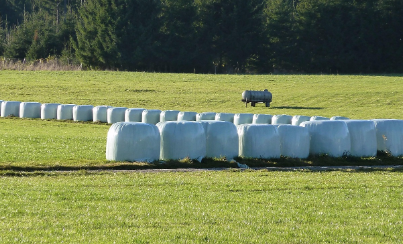
For Australian farmers, maintaining high-quality livestock feed is crucial, and choosing the right silage film can make a significant difference. Silage film serves as a protective barrier for stored forage, ensuring optimal fermentation and reducing feed spoilage. In Australia’s diverse agricultural regions—from the temperate pastures of Victoria to the harsher, sun-exposed paddocks of Queensland—selecting the correct silage film is vital to safeguard both the quantity and nutritional quality of silage.
High-quality silage film offers UV and puncture resistance, along with airtight sealing, allowing farmers to preserve feed for extended periods. With Australia’s intense sunlight and fluctuating temperatures, using substandard silage film can lead to torn covers, exposed silage, and potential losses of thousands of dollars per season. By understanding the specific needs of local climates and livestock operations, Australian farmers can make informed decisions that protect their investment and ensure consistent feed quality year-round.
Why Silage Film Is Critical in the Australian Farming Context
Silage film plays a pivotal role in maintaining feed quality by creating an anaerobic environment, which is essential for proper fermentation. Without a high-quality barrier, oxygen can penetrate silage stacks or bales, leading to mould growth, spoilage, and nutrient loss. In Australia, where temperatures can soar and rainfall patterns are unpredictable, these risks are amplified.
Modern silage films are engineered with multiple layers that enhance durability and UV resistance, specifically designed to withstand the Australian sun. Farmers in regions such as New South Wales and South Australia have noted that investing in premium silage film reduces the need to replace covers, ultimately saving time and money. Furthermore, proper use of silage film minimises waste, supporting sustainable farming practices by ensuring livestock receive the most nutritious feed possible.
Key Features to Look for in Silage Film
When selecting silage film for Australian conditions, several features are essential:
1. UV Resistance: Australia experiences some of the highest UV levels globally. Films with high UV stability prevent degradation and extend storage life.
2. Puncture and Tear Strength: Silage bales and stacks are prone to damage from equipment, wildlife, and wind. Durable films resist tearing, maintaining an airtight seal.
3. Stretch and Seal Capability: High-quality silage film can stretch to conform to bales or stacks, minimising air pockets and promoting effective fermentation.
4. Thickness: Thicker films generally offer better protection, but must be balanced with cost-effectiveness for large-scale farming operations.
Investing in a silage film that meets these criteria can dramatically improve feed preservation, particularly in high-stress climates such as northern Queensland or inland Western Australia.
Best Practices for Using Silage Film in Australia
Even the highest-quality silage film will underperform if not applied correctly. Australian farmers can maximise the benefits by following these practices:
● Clean the Surface: Remove sharp objects and debris before covering bales or silage pits to prevent punctures.
● Double Layering: Consider using two layers of film for added protection in high-wind regions, which is common in coastal and semi-arid zones.
● Proper Storage: Store rolls of silage film out of direct sunlight to prevent premature degradation.
● Timely Application: Cover freshly harvested forage promptly to minimise exposure to oxygen and ensure optimal fermentation.
These practices are particularly relevant in Australian conditions, where extreme weather events—like sudden downpours or strong winds—can compromise silage if not adequately protected.
Local Suppliers and Innovations
Australian farmers have access to a range of locally supplied silage films tailored to regional needs. Many Australian agricultural suppliers offer films with enhanced UV protection and multi-layer construction suited for both round bales and silage pits. Additionally, innovations such as biodegradable silage films and high-clarity stretch films are gaining popularity for their environmental benefits and improved performance.
Engaging with local suppliers enables farmers to access expert advice on film selection tailored to specific crops, bale sizes, and climate conditions. For example, dairy farmers in Victoria might prioritise films with superior oxygen barrier properties to maintain high-protein silage, while beef producers in Queensland may require films with enhanced puncture resistance to withstand harsh sunlight and rough handling.
Conclusion
For Australian farmers, the right silage film is more than just a cover—it is a critical tool in preserving feed quality, reducing wastage, and safeguarding livestock nutrition. By choosing durable, UV-resistant films and following proper application practices, farmers can ensure their silage remains nutrient-rich and cost-effective. Leveraging local suppliers and innovations enables Australian farms to meet the challenges posed by the country’s diverse climates, ultimately enhancing productivity and sustainability.
Investing in quality silage film is an investment in the farm’s future, making it a priority for every serious Australian farmer.