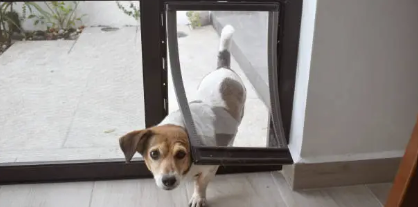
Pet doors Adelaide homeowners install are designed to provide convenience, pet independence, and improved airflow. However, like any household fixture, pet doors experience wear and tear over time. From cracked flaps to faulty locks and draft issues, understanding how to repair pet doors properly can save money and extend their lifespan. In Adelaide’s unique climate—characterised by coastal air, hot summers, and cool winters—pet doors are often subject to environmental stress that accelerates damage. This practical repair guide is tailored specifically to South Australian homes and the common door types found throughout the region.
Why Pet Doors in Adelaide Homes Wear Out Faster
Many properties across Adelaide are influenced by coastal conditions, particularly in suburbs near Glenelg, Semaphore, and Henley Beach. Salt-laden air can corrode metal frames and hinges, while strong seasonal winds can loosen fittings. In the Adelaide Hills, fluctuating temperatures may cause timber doors to expand and contract, misaligning installed pet door units.
Homes in newer developments across Mawson Lakes or Munno Para often feature sliding glass doors, while character homes in Unley or Norwood commonly use solid timber doors. Each material presents different repair considerations. Recognising the door type and environmental exposure is the first step in resolving issues effectively.
Cracked or Worn Flaps
One of the most frequent problems with pet doors is a cracked or stiff flap. UV exposure during Adelaide’s hot summers can make plastic flaps brittle. Over time, pets pushing through the door can cause tearing at the hinge line.
For coastal homes, consider upgrading to marine-grade fasteners to resist corrosion. Replacing a flap is typically a straightforward DIY task, but accurate measurements are critical to maintaining insulation.
Drafts and Energy Efficiency Issues
Poorly sealed pet doors often cause drafts during cooler months. Adelaide winters may not be extreme, but heat loss can still affect energy bills—particularly in homes that rely on split-system heating.
Repair Solution:
● Replace worn magnetic strips.
● Install weather seals or foam insulation tape around the frame.
● Check alignment and adjust screws if sagging is present.
Proper sealing ensures pet doors maintain thermal efficiency without compromising accessibility.
Locking Mechanism Failures
Security is a priority for homeowners. Some older pet doors have manual slide locks that become loose or misaligned. This can create safety concerns, especially in suburban areas.
Modern locking systems offer better durability and improved home security, making them a worthwhile upgrade.
Sliding Glass Door Insert Problems
Many Adelaide homes use sliding glass inserts rather than cutting into existing doors. These inserts can shift in their tracks due to vibration or heavy usage.
When installing pet doors in aluminium frames, ensure corrosion-resistant fittings are used to prevent long-term structural weakening.
Damage to Timber Doors
In older suburbs, solid timber doors are common. Cutting a pet door into timber can expose raw wood edges, making them vulnerable to moisture damage. Over time, this can lead to swelling or rot around the frame.
To repair:
● Remove the pet door frame.
● Sand-affected timber.
● Apply wood hardener if rot is present.
● Reseal edges with exterior-grade sealant before reinstalling.
Proper sealing is essential in areas that experience winter rainfall, particularly foothill suburbs.
Wall-Mounted Pet Door Repairs
Some homeowners opt for wall-mounted installations for better positioning. These systems involve tunnels running through internal and external walls. Misalignment or shifting of foundations can cause tunnel separation or flap imbalance.
Repair steps include:
● Checking internal screws and brackets.
● Realigning tunnel sections.
● Resealing internal and external edges with silicone.
Wall-mounted systems require careful inspection, as hidden gaps can lead to insulation issues or pest entry.
When to Call a Professional
While many repairs are manageable, certain situations require professional expertise:
● Cracked double-glazed glass panels
● Structural damage to security screen doors
● Significant frame warping
● Complex wall-mounted realignment
In these cases, engaging a qualified technician ensures safety and compliance with local building standards in South Australia.
Preventative Maintenance Tips
Routine maintenance can significantly extend the lifespan of pet doors in Adelaide properties:
1. Clean tracks and hinges every three months.
2. Inspect flaps for UV damage at the end of summer.
3. Lubricate locks and moving components.
4. Check seal integrity before winter.
By conducting seasonal inspections, homeowners reduce the likelihood of major repairs and maintain security and energy efficiency.
Choosing Durable Replacement Materials
If repeated repairs are required, replacement may be more cost-effective. Look for:
● UV-resistant flaps
● Powder-coated aluminium frames
● Marine-grade screws for coastal areas
● Double-flap insulation systems for energy efficiency
High-quality materials better withstand Adelaide’s environmental conditions and active pets.
Final Thoughts
Maintaining pet doors in Adelaide homes requires attention to climate, materials, and installation quality. From cracked flaps to locking failures and draft problems, most issues can be addressed with straightforward repairs. Regular inspections, proper sealing, and corrosion-resistant hardware are essential for long-term durability.
By understanding how environmental factors in Adelaide affect pet door performance, homeowners can protect their investment, improve comfort, and ensure their pets continue enjoying safe and convenient access to the outdoors.