New Zealand, renowned for its pristine waters and rich marine biodiversity, is a treasure trove for seafood lovers. The country’s seafood industry is a cornerstone of its economy, and the frozen seafood sector is a significant part of this dynamic market. For a frozen seafood boil in a a bag, click here.
The Rise of Frozen Seafood in New Zealand
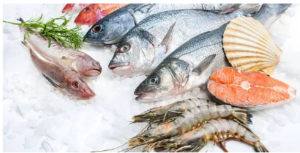 Frozen seafood has become increasingly popular in New Zealand, thanks to advancements in freezing technology that preserve the freshness and quality of seafood. Consumers are now more aware of the benefits of frozen seafood, leading to a surge in demand.
Benefits of Frozen Seafood
- Preservation of Freshness and Nutrients: One of the primary advantages of frozen seafood is that it is often frozen at sea or immediately after being caught. This rapid freezing process locks in the freshness and nutritional value, ensuring that the seafood retains its taste and health benefits.
- Extended Shelf Life: Unlike fresh seafood, which has a limited shelf life, frozen seafood can be stored for months without compromising quality. It makes it a practical choice for those who want to enjoy seafood without frequent trips to the market.
- Reduced Waste: Frozen seafood has less risk of spoilage and waste. Consumers can use only what they need and keep the rest for later, promoting sustainability and cost savings.
- Year-Round Availability: Frozen seafood provides access to a variety of species regardless of the season. It means that New Zealanders can enjoy their favourite seafood dishes all year round.
Popular Varieties of Frozen Seafood in New Zealand
New Zealand’s waters are home to a diverse array of seafood species, many of which are available in frozen form. Here are some popular choices:
- Hoki: Hoki is one of New Zealand’s most important commercial fish species. Known for its mild flavour and delicate texture, hoki is often used in fish and chips. It is available in frozen fillets and portions, making it a versatile option for various recipes. For a frozen seafood boil in a a bag, click here.
- Green-lipped Mussels: New Zealand’s green-lipped mussels are famous worldwide for their unique flavour and health benefits. These mussels are available frozen, either in their shells or as meat, and are perfect for steaming, grilling, or adding to seafood stews.
- Squid: Squid is another popular seafood choice in New Zealand. Frozen squid rings, tubes, and tentacles are commonly used in dishes like calamari and seafood stir-fries.
- King Salmon: Known for its rich, buttery flavour, New Zealand king salmon is a premium seafood choice. It is available frozen as fillets or portions, ideal for grilling, baking, or pan-searing.
Sustainable Practices in the Frozen Seafood Industry
Sustainability is a critical focus in New Zealand’s seafood industry. The country is committed to responsible fishing practices that ensure the long-term health of marine ecosystems. Many frozen seafood products come with certifications from organisations such as the Marine Stewardship Council (MSC), which guarantees that the seafood has been sourced sustainably.
Consumers are increasingly looking for eco-friendly options, and New Zealand’s frozen seafood industry is rising to the challenge by providing transparent information about sourcing and sustainability. This commitment not only protects the environment but also supports the livelihoods of local fishing communities. For a frozen seafood boil in a a bag, click here.
Cooking with Frozen Seafood
Frozen seafood is incredibly versatile and easy to cook with. Here are some tips for making the most of your frozen seafood:
- Proper Thawing: For best results, thaw frozen seafood in the refrigerator overnight. If you’re short on time, you can also thaw it in cold water or use the defrost function on your microwave.
- Simple Recipes: Frozen seafood works well in a variety of simple recipes. Try baking hoki fillets with lemon and herbs, grilling king salmon with a honey-soy glaze, or making a quick seafood stir-fry with prawns and vegetables.
- Quality Check: Always check the quality of frozen seafood before cooking. Look for clear ice and minimal frost, which indicate proper freezing and storage.
Conclusion:
The frozen seafood industry in New Zealand offers a wealth of benefits, from convenience and sustainability to year-round availability of a diverse range of species. With advances in freezing technology, consumers can enjoy high-quality seafood that retains its freshness and nutritional value.