
As technology advances and energy consumption patterns evolve, Adelaide homeowners face growing pressure to adapt their electrical infrastructure to meet modern needs. One key aspect often overlooked is the role of consumer mains—the essential connection between the home’s electrical system and the power supply. Upgrading consumer mains is a crucial step in future-proofing homes, enabling them to efficiently support innovative technology, renewable energy integration, and increased energy demands.
Understanding Consumer Minds and Their Importance
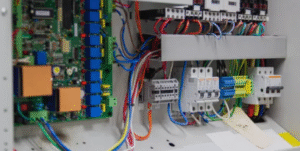
Upgrading consumer mains
At its core, the consumer mains is the main electrical cable that delivers power from the local utility’s network to a residence’s switchboard. It is the backbone of a home’s electrical supply, typically sized to handle the expected maximum load safely. However, many Adelaide homes have older consumer mains installed decades ago, designed for much lower energy consumption than today’s standards.
With the rise of electric vehicles, smart appliances, home automation systems, and solar power generation, existing consumer mains may no longer be adequate. An undersized or outdated consumer mains cable can cause frequent tripping of circuit breakers, voltage drops, and even pose safety risks due to overheating.
Why Adelaide Homes Need Consumer Mains Upgrades Now
Rising Energy Consumption from Smart Homes
Innovative technology is rapidly transforming the way Adelaide homeowners interact with their living spaces. From intelligent lighting and climate control to security systems and energy management, smart homes require a stable and reliable power supply. These systems often involve multiple devices running simultaneously, creating a higher and more dynamic electrical load.
Older consumer mains installations might have been adequate when a home’s electricity was used mainly for lighting, refrigeration, and heating. But today, the cumulative effect of numerous smart devices can exceed the capacity of existing mains. Upgrading consumer mains ensures a home’s electrical system can safely handle this increased load without interruption or degradation in performance.
Supporting Renewable Energy Integration
South Australia, including Adelaide, is a leader in renewable energy adoption, particularly rooftop solar systems. Many homeowners are installing solar panels paired with battery storage to reduce reliance on the grid and lower electricity bills. However, integrating solar power often demands electrical infrastructure capable of two-way power flow and higher current loads.
Upgrading consumer mains enables the electrical system to accommodate the bi-directional flow of electricity that occurs when excess solar power is fed back into the grid. Additionally, larger or more modern mains cables and switchboards reduce the risk of faults or overloads, ensuring that solar investments deliver their full potential safely and efficiently.
Preparing for Electric Vehicle Charging
Electric vehicles (EVs) are becoming increasingly popular in Adelaide as residents seek cleaner transportation options. Home EV chargers can demand significant power, high-speed chargers that operate at higher voltages and currents.
Many homes with older consumer mains cannot support dedicated EV chargers without compromising other appliances or risking electrical faults. By upgrading consumer mains, homeowners future-proof their properties for EV ownership, enabling simultaneous use of EV chargers and other household loads without strain on the system.
How the Upgrade Process Works in Adelaide
Assessment and Planning
The first step involves an electrical contractor assessing the existing consumer mains and the home’s current and projected energy needs. It includes evaluating the size and condition of the mains cable, switchboard capacity, and anticipated future loads such as EV chargers or additional solar arrays.
Coordination with Energy Providers
Upgrading consumer mains in Adelaide often requires coordination with the local distribution network service provider (DNSP), such as SA Power Networks. Permits and inspections are typically mandatory to ensure the upgrade complies with regulations and technical standards.
Installation
During installation, the old mains cable is replaced with a larger, higher-capacity conductor. It may involve trenching or running cables through existing conduits, followed by upgrading the main switchboard components, such as circuit breakers and isolators. The entire system is then tested and certified to guarantee safety and functionality.
Conclusion:
In the context of Adelaide’s rapidly evolving energy landscape, upgrading consumer mains is not merely a technical necessity but a strategic investment in a home’s future. By ensuring electrical infrastructure is capable of supporting innovative technology, renewable energy systems, and rising power demands, homeowners can safeguard their properties against obsolescence, enhance safety, and enjoy the full benefits of modern living.
As consumers make up the critical gateway for electricity entering a home, prioritising their upgrade is a confident step toward a resilient, efficient, and smart Adelaide home.