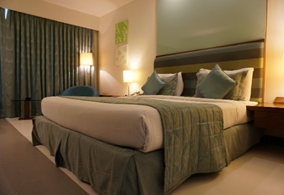
Adelaide summers can put a heavy cooling load on homes, especially when hot afternoon sun beats down on windows for hours. For owners of traditional double-brick properties, however, the building’s high thermal mass can work in their favour. Blockout curtains Adelaide homeowners choose carefully can help preserve the cooler indoor conditions established overnight while limiting daytime solar heat entering through glass.
Double-brick walls absorb and release heat slowly, while well-managed ventilation can flush accumulated warmth from the home after sunset. The right curtains complement this process by reducing heat transfer through windows, helping residents delay or reduce the need for air conditioning.
How Thermal Mass Works in Double-Brick Homes
Double-brick construction has substantial thermal mass. Rather than responding immediately to outdoor temperature changes, dense masonry can absorb heat gradually and release stored energy later.
This characteristic is particularly useful when Adelaide nights are cooler than the following day’s conditions. Opening windows when outdoor air is cooler can help remove indoor heat, allowing the home’s internal surfaces to cool.
The next-day objective is to keep that stored coolness inside for as long as practical. Windows can undermine this strategy because glass allows solar radiation into rooms and provides a relatively low-resistance pathway for heat transfer.
Why Blockout Curtains Matter
Curtains do not make the brickwork itself more thermally efficient, but they can reduce the amount of heat entering through glazed areas. This makes window treatments an important part of a broader passive cooling strategy.
When selecting blockout curtains, Adelaide homeowners should consider more than just the fabric’s ability to block visible light. A suitable curtain should also fit closely around the window and generously cover the glazing.
Look for:
● Dense, closely woven or coated blockout fabrics
● Full-height curtains extending close to the floor
● Sufficient width to minimise gaps at the sides
● Tracks or rods positioned to reduce exposed areas around the window
● Pelmets or other treatments where appropriate to limit warm air movement
Using Curtains to Preserve Overnight Cooling
Timing is just as important as curtain quality. During a cool Adelaide evening, windows can be opened when outdoor conditions are suitable to encourage ventilation and release heat accumulated during the day.
Once outdoor temperatures begin to rise, windows should generally be closed and blockout curtains drawn across sun-exposed glazing. This helps separate the cooler interior from increasingly hot window surfaces.
For west-facing windows, this becomes especially important in the afternoon, when low-angle sunlight can penetrate deep into rooms. East-facing glazing may require similar attention in the morning.
A Practical Daily Strategy
A simple routine can make thermal mass work more effectively:
1. Ventilate overnight when outdoor conditions are cooler and safe for open windows.
2. Close windows before the outdoor temperature rises significantly.
3. Draw blockout curtains early on windows exposed to direct sunlight.
4. Keep doors between particularly warm and cooler areas closed where practical.
5. Reopen windows later when outdoor air becomes cooler than indoor air.
This approach can reduce unnecessary solar gains without requiring continuous mechanical cooling.
Choosing Curtains for a Double-Brick House
The best setup depends on window orientation, glazing size, existing insulation and the home’s ventilation pattern. This is where blockout curtains, double-brick house thermal insulation, and Adelaide considerations become important.
Curtains should be treated as one component of the building envelope rather than a replacement for roof insulation, draught control, shading or suitable glazing.
External shading can be particularly effective because it stops solar radiation before it reaches the glass. Where external modifications are impractical, properly fitted internal blockout curtains can still control light and heat entering occupied spaces.
Conclusion
A double-brick Adelaide home can use its thermal mass to maintain relatively stable indoor conditions, but unprotected glazing can compromise that advantage. Blockout curtains Adelaide residents select for coverage, fit and solar control can help retain overnight cooling and limit daytime heat gains.
For best results, combine appropriately fitted curtains with overnight ventilation, sensible window management, and effective building insulation. Speak with a local curtain professional about window orientation, fabric selection and installation details to create a cooling strategy suited to your home’s construction.
—
Frequently Asked Questions
1. Can blockout curtains help keep a double-brick home cool?
Yes. They can reduce solar radiation and heat transfer through windows, helping preserve cooler indoor conditions created overnight.
2. When should I close blockout curtains in Adelaide?
Close them before direct sunlight begins heating the glazing, particularly on east- and west-facing windows. Timing depends on the home’s orientation and the sun’s seasonal position.
3. Do blockout curtains replace insulation?
No. Curtains complement roof, wall and floor insulation but should not be considered a substitute for proper building insulation.
4. Are west-facing windows especially important?
Yes. West-facing glazing can receive strong afternoon sun, making effective shading and blockout window treatments particularly useful.
5. Can curtains reduce air-conditioner use?
They may reduce the heat entering through windows, lowering the cooling load. Actual energy savings depend on the home’s construction, weather, glazing and cooling habits.