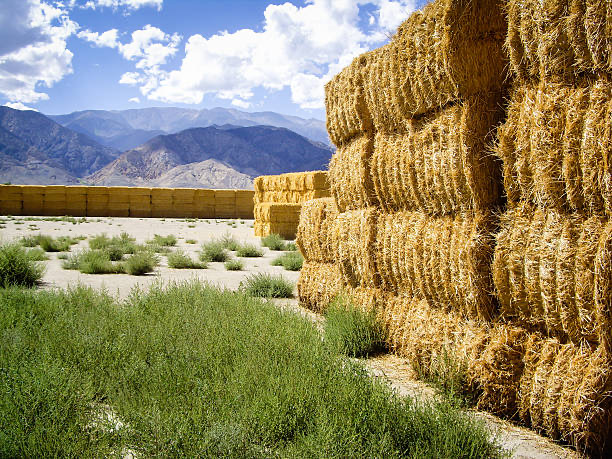
In the vast and diverse agricultural landscapes of Australia, baler twine plays an indispensable role in the efficient harvesting and storage of hay and straw. However, while baler twine Australia remains a staple for many farmers, its relationship with livestock safety warrants careful attention. Ensuring the well-being of animals while maintaining farm productivity requires a balanced approach to managing baler twine usage, disposal, and monitoring. This article explores key considerations for Australian farmers to safeguard their livestock from the hidden risks associated with baler twine.
Understanding the Role of Baler Twine in Australian Farming
Baler twine is a strong, durable cord used to bind bales of hay or straw tightly together, enabling easier handling, storage, and transportation. In Australia’s extensive grazing regions—from the temperate zones of Victoria to the arid outback—farmers rely heavily on baler twine Australia for efficient hay production to feed livestock year-round. Given its widespread use, the importance of understanding how baler twine interacts with farm animals cannot be overstated.
The Hidden Dangers: How Baler Twine Can Affect Livestock
Despite its benefits, baler twine poses significant risks if not managed properly. Livestock such as cattle, sheep, and horses may accidentally ingest baler twine or become entangled in discarded or loose strands. This can lead to severe injuries, including:
- Gastrointestinal obstructions: Ingested baler twine can cause blockages or perforations in the digestive tract, leading to colic, malnutrition, or even death.
- Limb entanglement: Animals caught in baler twine may sustain cuts, infections, or restricted movement, impairing their ability to graze or escape predators.
- Restricted circulation: Twine wrapped tightly around limbs or necks can cut off blood flow, causing tissue damage or necrosis.
In Australia, where livestock welfare is closely regulated, such injuries can also lead to legal and financial consequences for farmers.
Choosing the Right Baler Twine Australia: Material Matters
One of the first steps to mitigating livestock risk is selecting the appropriate baler twine material. Most baler twine is made from either polypropylene or sisal:
- Polypropylene twine is synthetic, highly durable, and resistant to moisture. However, it is less biodegradable, posing a longer-lasting threat if left in paddocks.
- Sisal twine, derived from natural fibres, biodegrades more quickly but may lack the same tensile strength.
Australian farmers must balance durability with environmental and safety considerations. Opting for high-quality, UV-resistant baler twine Australia ensures bales stay secure longer and reduces the risk of loose strands that animals might encounter.
Best Practices for Preventing Livestock Incidents
To protect livestock, Australian farmers should implement specific management practices around baler twine use:
- Thorough collection and disposal: After baling, all twine remnants should be collected immediately. Twine left in fields, paddocks, or feeding areas increases the risk of ingestion or entanglement.
- Safe feeding techniques: Avoid feeding animals directly from bales with loose or damaged twine. Feeding hay from feeders designed to minimise twine exposure is advisable.
- Regular paddock inspections: Routine checks can identify stray twine early, especially after harvesting seasons or storms.
- Training and awareness: Farm workers should be educated on the hazards of baler twine to livestock and proper disposal protocols.
Such proactive measures reduce injuries and ensure compliance with Australia’s livestock welfare standards.
Innovations and Alternatives to Traditional Baler Twine
The Australian agricultural sector is embracing innovative solutions that enhance both efficiency and animal safety:
- Biodegradable baler twine: New biodegradable options break down faster in the environment, reducing long-term hazards.
- Net wrap alternatives: Some farmers use plastic net wraps instead of twine. While net wraps also carry risks, they tend to be easier to spot and remove.
- Mechanical baling improvements: Advances in baler technology reduce twine waste and improve bale integrity, decreasing loose twine in the environment.
Australian research institutions continue to study these alternatives to provide farmers with safer and more sustainable options.
Legal Implications and Animal Welfare Regulations
In Australia, livestock welfare is protected by state and federal legislation. Negligence that results in livestock harm due to improper baler twine management may expose farmers to penalties or legal action. Ensuring baler twine Australia is handled responsibly not only protects animals but also safeguards farmers’ reputations and livelihoods.
Conclusion: Balancing Efficiency and Safety on Australian Farms
Baler twine Australia remains a vital component in hay production across the country’s diverse agricultural regions. However, its role in livestock safety must not be underestimated. By choosing the right materials, implementing strict disposal protocols, embracing innovations, and educating farm workers, Australian farmers can mitigate risks and maintain the highest standards of animal welfare.
As farming continues to evolve, staying informed and vigilant about the potential hazards of baler twine ensures that livestock remain safe, productive, and healthy—an outcome that benefits farmers, animals, and the broader agricultural community alike.