Adelaide’s climate and lifestyle make it a perfect place for backyard swimming pools. Whether you’re seeking an elegant relaxation space, a fitness solution, or a fun-filled zone for family and friends, investing in a swimming pool installation is an excellent way to enhance your property’s value and quality of life. However, while the idea of a sparkling pool may be enticing, the installation process requires careful planning, expertise, and thoughtful decision-making.
This article explores the critical aspects of swimming pool installation in Adelaide, SA—from initial planning and council approvals to selecting the right contractor and choosing your ideal pool type.
Planning Your Pool: Understanding Your Needs
 Before breaking ground, it’s essential to assess your specific needs and goals. Are you looking for a lap pool for exercise, a plunge pool for small spaces, or a luxurious freeform design? Knowing the purpose of your pool will guide all subsequent decisions regarding design, materials, and budget.
In Adelaide, block sizes and landscaping vary considerably across suburbs. Therefore, a well-executed swimming pool installation must consider factors such as orientation, sun exposure, and soil conditions. For instance, pools installed on sloping blocks may require retaining walls or additional engineering support to prevent erosion.
Navigating Council Regulations in Adelaide
All swimming pool installation projects in South Australia must comply with local council and state regulations. These include safety barriers, property setbacks, and water efficiency rules. Depending on the complexity of the design, you may need development approval or planning consent.
A professional pool builder familiar with Adelaide’s regulatory landscape can help streamline this process by handling submissions, scheduling inspections, and ensuring all standards are met. Failing to comply can lead to costly delays or modifications post-installation, so it pays to get it right the first time.
Choosing the Right Pool Type
When it comes to swimming pool installation, Adelaide homeowners typically choose between three main pool types: fibreglass, concrete, and vinyl liner pools. Each option comes with distinct advantages, depending on budget, aesthetics, and long-term maintenance needs.
- Fibreglass Pools: These are pre-moulded, quick to install, and have a smooth, non-porous surface that resists algae. They are ideal for families looking for a low-maintenance solution.
- Concrete Pools: Offering maximum design flexibility, concrete pools are custom-built to any shape or size. They suit properties with unique layouts or luxury finishes but take longer to construct and cost more upfront.
- Vinyl Liner Pools: Less common in Adelaide, these pools are affordable and relatively easy to install; however, they typically lack the longevity and durability of fibreglass or concrete.
The choice of material has a significant impact on your pool’s appearance, installation timeline, and future maintenance. Discussing these options with a licensed professional ensures you make an informed decision.
Site Preparation and Excavation
Site preparation is one of the most crucial stages in installing a swimming pool. It involves clearing the area, excavation, and, in some cases, addressing underground obstacles such as rocks or tree roots. This stage also includes soil testing to ensure the ground is suitable for construction.
In Adelaide, many suburbs—particularly those in the foothills or coastal regions—may present challenging soil conditions. A reputable pool company will consider these variables and develop solutions to prevent future structural issues.
The Installation Process: Step-by-Step Overview
The swimming pool installation process can vary depending on the type of pool and site conditions. However, a typical installation in Adelaide includes the following steps:
- Design & Approval: Finalising the pool layout and acquiring council approvals.
- Excavation: Removing soil to make room for the pool shell or structure.
- Structural Works: For concrete pools, this includes steel reinforcement and formwork; fibreglass pools are delivered as a whole and lowered into place.
- Plumbing & Electrical: Installing pumps, filters, and lighting systems.
- Backfilling & Coping: Surrounding the pool with gravel or soil and laying pavers or tiles around the edge.
- Fencing & Safety Barriers: Mandatory in SA, fences must meet specific height and access regulations.
- Filling & Handover: Once complete, the pool is filled, and you’re provided with operating instructions.
Conclusion:
Investing in a swimming pool installation in Adelaide is a major decision, but with careful planning, the right team, and a clear vision, the rewards are substantial. From increasing your home’s value to enhancing daily living, a well-designed pool offers long-term enjoyment and lifestyle benefits.
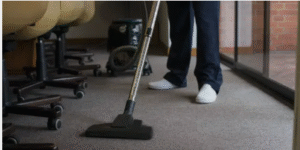 Carpets in offices and commercial spaces accumulate dirt, dust, allergens, and stains over time, which can significantly impact the cleanliness and hygiene of your workplace. Regular cleaning is essential for maintaining the appearance of carpets and creating a healthier environment for employees and visitors alike. Here’s why opting for reliable business carpet cleaning is essential:
 Steel sheds are specifically designed to withstand Adelaide’s climate. From scorching summer days to sudden downpours, steel structures are resilient against extreme weather conditions. Unlike timber or plastic sheds, steel won’t warp, rot, or become infested by termites — making it the perfect choice for South Australian properties.
 A buyer’s agent, also commonly referred to as a buyer’s advocate, represents the interests of the buyer in a property transaction. Unlike real estate agents who only work for the seller, a buyer’s agent works exclusively for you, the buyer. Their goal is to help you find the right property at the best possible price while managing the complexities of the buying process from start to finish.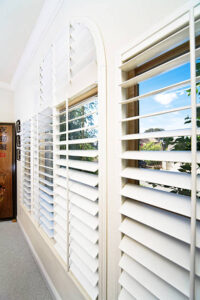
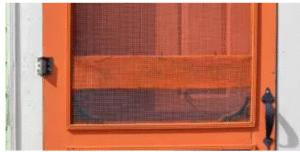 Adelaide is known for its vibrant communities and beautiful homes, but like any growing city, it is not immune to property crime. Security doors act as the first line of defence against intruders, offering both a physical and visual deterrent. Whether you’re in the suburbs or the city centre, having reliable security doors in place ensures peace of mind.


 Die cutting refers to the process of using a die to shear materials into specific shapes. While traditional die-cutting is typically limited to flat, two-dimensional patterns, 3D die-cut solutions extend this capability into the third dimension. It means that materials can be shaped not only on the X and Y axes but also sculpted or folded into more dynamic, tactile forms.