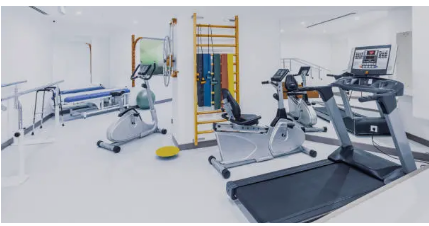
Adelaide has become a growing hub for sports science innovation, with clinics, universities, and elite training facilities increasingly adopting data-driven methods to improve athlete outcomes. One of the most influential systems driving this shift is VALD Performance, whose tools are now widely integrated into physiotherapy and strength-and-conditioning environments across South Australia. The adoption of VALD technology is reshaping how practitioners assess movement, monitor rehabilitation, and reduce injury risk.
From elite AFL programs to local physiotherapy clinics in Adelaide, VALD systems are providing objective insights that were previously difficult or impossible to measure consistently in real time. This shift toward precision-based assessment is redefining performance standards across multiple sports disciplines.
The Rise of Data-Driven Sports Science in Adelaide
Adelaide’s sports ecosystem has long been associated with strong medical and academic collaboration, particularly through universities and private sports clinics. However, the introduction of advanced measurement systems has accelerated the transition from subjective observation to quantitative analysis.
Clinicians now rely on force plates, dynamometry systems, and movement analysis platforms to evaluate neuromuscular function. These tools, central to VALD technology, allow practitioners to measure strength asymmetries, jump performance, and load tolerance with high accuracy.
The result is a more structured approach to rehabilitation and performance development—one that reduces guesswork and improves clinical decision-making.
How VALD Technology Works in Practice
At its core, VALD technology integrates hardware and software to capture real-time data on human movement. Common tools include force plates, handheld dynamometers, and motion tracking systems. These devices generate objective metrics that help clinicians and strength coaches make evidence-based decisions.
In a typical Adelaide physiotherapy setting, an athlete recovering from a lower-limb injury might undergo repeated force-plate testing to monitor balance and limb asymmetry. These results are then tracked over time, providing a clear picture of rehabilitation progress.
This approach replaces traditional “return-to-play” decisions based on time alone with data-backed criteria.
Why Adelaide Clinics Are Adopting VALD Systems
One of the primary reasons VALD technology has gained traction in Adelaide is its ability to standardise assessment across different practitioners and environments. Whether used in elite sport or private rehabilitation clinics, the metrics remain consistent and comparable.
This consistency is especially valuable in collaborative environments where physiotherapists, strength coaches, and sports physicians need shared data to guide athlete management.
Another advantage is efficiency. Tests that once took significant manual effort can now be completed quickly, with immediate digital reporting. This allows practitioners to spend more time interpreting results and less time collecting them.
Real-World Applications in Rehabilitation and Performance
In rehabilitation settings, VALD systems are commonly used to track recovery after ACL reconstruction, ankle sprains, and hamstring injuries. Force asymmetry data helps clinicians determine whether an athlete is ready to progress to more demanding training phases.
In performance settings, athletes use VALD technology to optimise jump height, sprint mechanics, and power output. Strength and conditioning coaches in Adelaide’s elite sporting programs often integrate this data into weekly training cycles to fine-tune workloads.
For example, an athlete may demonstrate reduced concentric force output on one side, prompting targeted unilateral strength training. This level of precision was far less accessible before the introduction of modern testing systems.
The Role of VALD in Injury Prevention
A key benefit of VALD technology is its ability to identify injury risk factors before they become clinical issues. By tracking movement inefficiencies and strength imbalances, practitioners can intervene early with corrective exercises or load adjustments.
This proactive approach is particularly valuable in high-intensity sports where injury rates are significant. Adelaide-based teams and clinics are increasingly using these insights to reduce downtime and improve long-term athlete durability.
The shift from reactive treatment to preventative monitoring represents one of the most important advancements in modern sports medicine.
Integration Into Adelaide’s Sports and Education Systems
Beyond clinical environments, VALD systems are also being integrated into educational programs and research institutions in Adelaide. Students studying exercise science, physiotherapy, and sports performance are now exposed to real-world data collection methods as part of their training.
This creates a workforce that is already familiar with evidence-based assessment tools before entering professional practice. Over time, this contributes to a higher standard of care across the region.
The Future of Performance Analysis in South Australia
As demand for precision in sports medicine continues to grow, the use of VALD technology is expected to expand further across Adelaide and broader South Australia. Emerging applications may include deeper integration with AI-driven analytics, longitudinal athlete monitoring, and expanded use in community-level sports.
The combination of accessible data, rapid testing, and actionable insights positions VALD systems as a long-term foundation for performance optimisation.
Clinics that adopt these tools are not only improving outcomes today but also preparing for a more data-centric future in sports science.
Conclusion
Adelaide’s adoption of VALD technology marks a significant shift in how athletes are assessed, treated, and developed. By replacing subjective evaluation with precise, repeatable measurements, practitioners can make more informed decisions across both rehabilitation and performance contexts.
As VALD Performance continues to evolve its systems, its influence across Adelaide’s sports and healthcare sectors is likely to grow even further—driving a future where performance is defined by measurable data rather than estimation alone.