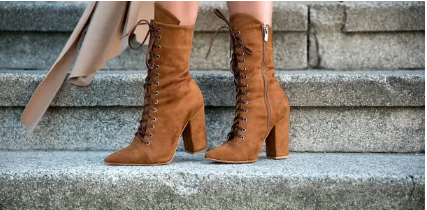
Womens boots are a versatile and essential part of many Australian wardrobes, combining style, comfort, and durability. However, Australia’s diverse climate—from the humid tropics of Queensland to the wet winters of Melbourne and the sun-scorched regions of central Australia—can take a significant toll on your footwear. Proper care is crucial to maintain the appearance, structure, and lifespan of your womens boots. Whether you are navigating city streets, exploring bush trails, or braving rainy days, following these practical maintenance strategies ensures your boots remain in excellent condition year-round.
Understanding Australia’s Regional Climate Challenges
Australia’s climate varies dramatically across its regions, and this affects the materials and durability of womens boots. In tropical areas such as Darwin or Cairns, high humidity, frequent rainfall, and salty coastal air can cause leather to weaken, mould to form, and boots to develop unpleasant odours.
In southern cities like Melbourne, Hobart, and Sydney, wet winters and damp conditions can cause leather or suede boots to become soaked, weakening seams and leading to stains. Meanwhile, central regions like Alice Springs and other inland areas experience intense summer heat, which can dry out leather and synthetic materials, causing cracks or fading.
Understanding your local climate is the first step in tailoring a care routine for your womens boots. Leather, suede, and synthetic materials each react differently to sun, moisture, and temperature fluctuations, so selecting the appropriate care products is essential.
Protecting Boots from the Harsh Australian Sun
Australia’s sun is notorious for its intensity, and prolonged exposure can severely damage leather and synthetic materials. To shield your womens boots from sun-related wear and tear:
Store boots away from direct sunlight: A cool, shaded closet or a dust bag is ideal for long-term storage.
Regularly condition leather: Leather conditioners help maintain suppleness, prevent cracking, and preserve the boot’s natural colour.
Use UV-protective sprays: Specialised sprays for leather or suede provide an extra layer of protection against the sun’s damaging rays.
Opt for sun-safe materials: If possible, choose boots with lighter shades or UV-resistant coatings for summer wear in inland areas.
Even synthetic boots can fade or stiffen with prolonged sun exposure, so applying UV-protective products can help extend their aesthetic appeal.
Managing Humidity and Moisture
High humidity, particularly in northern coastal regions, can encourage mould, mildew, and unpleasant odours. Keeping your womens boots dry and well-maintained in these conditions involves:
Air-dry boots naturally: Never place wet boots near heaters or under direct sunlight; this can warp or stiffen the material.
Use moisture absorbers, such as silica gel packs or cedar shoe trees, to help maintain the shape and reduce excess moisture inside the boots.
Rotate your footwear: Wearing the same pair daily traps moisture and slows drying, while rotating multiple pairs lets each pair recover between wears.
For suede or nubuck boots, gently brushing the surface with a specialised suede brush removes dirt and prevents water damage. Treating the material with a water- and stain-repellent spray adds an extra layer of protection against Australia’s unpredictable weather.
Caring for Waterproof and Rain Boots
In cities such as Sydney, Melbourne, and Hobart, rain and wet conditions are common. Proper maintenance keeps waterproof boots effective and looking their best:
Rinse mud and debris after each wear; a damp cloth or a soft brush works well for cleaning.
Store in a dry environment: Even waterproof boots can develop mould if left in damp areas.
Reapply water-repellent treatments: Leather, fabric, or synthetic boots benefit from periodic sprays that maintain water resistance.
For leather rain boots, conditioning after cleaning prevents cracks, keeps the leather soft, and ensures the waterproof layer remains effective.
Cleaning and Polishing for Longevity
Routine cleaning is key to extending the life of womens boots. Depending on the material:
Leather boots: Wipe with a damp cloth, condition regularly, and polish for a lasting shine.
Suede or nubuck: Use a suede brush and eraser for spot cleaning; avoid water-based cleaners.
Synthetic materials: Mild soap and water, followed by air drying, typically suffice.
Cleaning boots regularly prevents dirt buildup, protects stitching and sole adhesion, and keeps your boots looking stylish and professional.
Proper Storage to Maintain Shape
Storing your boots correctly prevents creasing, deformation, and material damage:
Maintain upright shape: Use boot shapers or rolled towels to keep the structure intact.
Avoid overcrowding: Crowded storage spaces can cause scuffs and deformations to boots.
Use breathable storage options: Fabric dust bags or ventilated boxes allow airflow while keeping moisture at bay.
Seasonal rotation: Alternating between multiple pairs allows each boot to rest and recover, reducing wear and tear.
Conclusion
Caring for womens boots in Australia requires attention to climate, material, and storage practices. By protecting them from sun exposure, controlling moisture, and regularly cleaning and conditioning them, your boots will remain stylish, comfortable, and durable for years.
Whether you live in humid tropical regions, rainy southern cities, or sun-drenched inland areas, following these region-specific tips ensures your womens boots withstand Australia’s diverse weather conditions while continuing to complement every outfit. Investing time in proper boot care not only prolongs their life but also keeps you confidently stepping out in style, rain or shine.