Australia’s agricultural sector is evolving rapidly in response to increasing pressure for sustainable practices, particularly in packaging. From fresh produce to premium meats, industries are shifting away from single-use plastics and environmentally damaging materials. Among the sustainable solutions gaining momentum are stockinette bags — a traditional yet remarkably efficient packaging option now taking on a new role in the modern supply chain. These bags offer an ideal blend of functionality, durability, and environmental consciousness, making them a standout choice for producers, retailers, and environmentally minded consumers alike.
What Are Stockinette Bags and Why Are They Gaining Popularity?
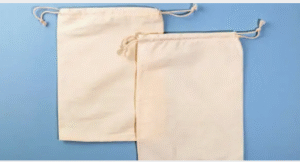 Stockinette bags are tubular, open-weave bags typically made from cotton, polyester, or a blend of natural and synthetic fibres. Historically used in meat packaging, they have proven incredibly versatile, now being widely adopted across fruit, vegetable, and even seafood packaging applications.
What’s fueling their popularity is their alignment with sustainability goals. Unlike plastic bags, stockinette bags are reusable, recyclable, and biodegradable (when made from natural fibres). It significantly reduces landfill contributions and supports circular economy initiatives within Australia’s agricultural industries.
Meeting Industry Demands: Functional and Eco-Friendly
The primary appeal of stockinette bags lies in their functionality. Their breathable design allows airflow, which helps maintain the freshness of perishable products such as potatoes, onions, oranges, and even lamb carcasses. In the meat industry, their snug fit and stretchability make them ideal for protecting meat during transport while allowing efficient chilling and drainage.
From a sustainability standpoint, this practical functionality translates to reduced spoilage and waste, which aligns with both commercial efficiency and environmental responsibility. By helping to preserve product quality while reducing reliance on harmful packaging materials, stockinette bags are becoming essential tools in sustainable supply chain strategies.
A Boon for Australia’s Meat Industry
In Australia, where the meat industry plays a critical role in both domestic consumption and global exports, packaging solutions must meet high standards. Stockinette bags provide an excellent combination of hygiene, safety, and sustainability. They help meet regulatory requirements for meat handling while enhancing brand image through eco-conscious practices.
The Australian meat industry is increasingly adopting these bags not just for their environmental benefits but also for their ability to improve logistics. Stockinette-wrapped carcasses are easier to handle, less prone to damage, and better suited for transport and storage. Their usage reduces the need for additional protective layers, cutting down on packaging volume and weight — a key consideration in freight costs and carbon emissions.
Supporting Sustainable Produce Distribution
Beyond meat, stockinette bags are experiencing a surge in the fresh produce sector. Farmers and distributors are opting for these bags to package a wide range of products, from citrus fruits to root vegetables. As consumer demand for eco-friendly packaging intensifies, especially in urban farmers’ markets and organic retail outlets, stockinette bags offer a rustic, sustainable charm that resonates with environmentally conscious buyers.
Moreover, many Australian growers are working toward certifications such as Freshcare or Sustainable Winegrowing Australia, and the use of stockinette bags helps them meet packaging sustainability targets without compromising product safety or quality.
Driving Consumer Confidence and Retail Appeal
Today’s consumers are more informed and selective than ever. Packaging plays a pivotal role in purchasing decisions, with a growing percentage of shoppers favouring products that use sustainable materials. Stockinette bags appeal to these values through their minimal environmental impact, reusability, and aesthetic simplicity.
Retailers, too, benefit from this shift. By switching to stockinette bags, they signal a commitment to sustainability, differentiating themselves in a competitive market. Whether used for premium cuts of meat or seasonal produce, stockinette packaging aligns with the marketing narrative of quality, authenticity, and environmental care.
Conclusion:
Australia’s commitment to sustainability is reshaping the way industries operate — and packaging is at the forefront of this change. Stockinette bags exemplify how simple, well-designed solutions can address complex challenges in food safety, supply chain efficiency, and environmental protection.
By choosing stockinette bags, Australia’s meat and produce sectors are not only embracing a greener future but also setting a standard for sustainable practices that balance commercial goals with environmental stewardship. As demand for ethical and eco-friendly packaging continues to grow, stockinette bags are poised to become a cornerstone of responsible supply chain operations across the nation.