In New Zealand’s competitive design and manufacturing sector, innovation is not just a goal—it’s a necessity. One area that has seen significant evolution is 3D die cut technology. Once limited to basic two-dimensional cutting applications, today’s die-cutting solutions are more sophisticated, enabling manufacturers and designers to create intricate, multi-dimensional products that stand out in a crowded marketplace.
Understanding 3D Die Cut Technology
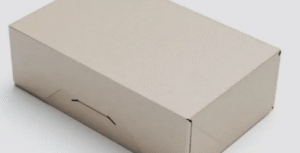 Die cutting refers to the process of using a die to shear materials into specific shapes. While traditional die-cutting is typically limited to flat, two-dimensional patterns, 3D die-cut solutions extend this capability into the third dimension. It means that materials can be shaped not only on the X and Y axes but also sculpted or folded into more dynamic, tactile forms.
In New Zealand, 3D die cutting is growing in popularity due to the increasing demand for customised, high-quality, and visually engaging products. With the use of advanced machinery and CAD (computer-aided design) software, local manufacturers can now create prototypes, packaging, and parts with remarkable detail and consistency.
Key Industries Benefiting from 3D Die Cut Solutions
Packaging and Printing
New Zealand’s boutique product and artisanal food industries are booming, and packaging plays a vital role in differentiating brands. 3D die-cut packaging allows businesses to elevate the unboxing experience with bespoke shapes, pop-up inserts, and custom display features.
For example, wine producers in Marlborough and Otago are using 3D die-cut boxes that not only protect their products but also tell a brand story through interactive design. Cosmetic brands are also leaning into multi-dimensional packaging that creates a premium look and feel without significantly increasing cost.
Automotive and Industrial Manufacturing
In the automotive and industrial sectors, 3D die-cutting is used to produce gaskets, seals, and foam components. These materials must be cut with extreme precision to meet specific engineering requirements. With 3D die-cut machinery, manufacturers in Auckland, Christchurch, and Hamilton can create parts that meet tight tolerances and high-performance standards.
The technology is especially beneficial for limited-run or custom parts, where traditional tooling would be too costly or time-consuming. It reduces waste and speeds up the prototyping process—both critical factors in modern industrial workflows.
Marketing and Promotional Materials
Marketers and designers in New Zealand are also using 3D die-cutting to produce unique promotional materials. Point-of-sale displays, exhibition stand elements, and custom mailers all benefit from the depth and creativity that 3D die cutting can provide.
When clients receive a marketing piece that literally pops out at them, it increases engagement, memorability, and brand perception. This tactile dimension is something digital marketing can’t replicate, and it is helping businesses across sectors—from tourism to retail—capture attention in a saturated media landscape.
Advantages of 3D Die Cut Technology
The transition to 3D die cutting has brought with it a suite of benefits for New Zealand businesses:
- Precision and Consistency: Advanced machinery and CAD software enable the precise replication of designs across hundreds or thousands of units.
- Creative Flexibility: Designers are no longer limited to flat layouts—they can experiment with structure and form.
- Efficient Prototyping: Quick production of working models shortens development cycles.
- Reduced Material Waste: Precision cutting minimises excess material, supporting sustainability goals.
- Enhanced Customer Experience: Whether it’s a tactile brochure or an interactive product package, 3D designs add value.
Local Innovation and Global Reach
New Zealand companies are not just using 3D die-cut technology—they’re innovating with it. From custom-built machinery to sustainable materials like recycled board and biodegradable foam, local manufacturers are at the forefront of environmentally conscious design.
Export-driven industries, in particular, benefit from this innovation. High-end packaging and 3D promotional materials produced in New Zealand are being used to market products internationally. The combination of Kiwi creativity and engineering precision is helping local brands shine on the global stage.
Conclusion:
3D die-cut technology is more than just a manufacturing method—it’s a powerful tool for design, branding, and product development. In New Zealand, businesses across diverse industries are leveraging this capability to create memorable, high-performing solutions that meet their customers’ evolving demands.
As the market continues to value sustainability, uniqueness, and precision, 3D die-cutting will remain at the forefront of innovation.