Shipping boxes play a crucial role in ensuring products reach their destination safely and securely. Whether you’re a business owner in New Zealand shipping products to customers or an individual sending packages, choosing the right shipping boxes can make a significant difference. Poor-quality boxes can lead to damaged goods, costly returns, and dissatisfied recipients. So, what makes a good shipping box? Below, we explore the key features to look for when selecting the best shipping boxes for your needs.
Strength and Durability
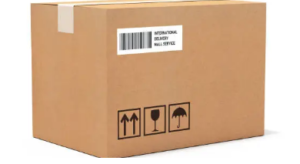 One of the most important factors in choosing shipping boxes is their strength. A high-quality shipping box should be able to withstand rough handling, stacking, and environmental stress. The strength of a shipping box is determined by its material and construction.
Proper Sizing and Fit
Shipping boxes should be appropriately sized for the items they contain. A box that is too large increases the risk of items shifting during transit, potentially leading to damage. On the other hand, a box that is too small may not provide enough protection.
Weight Capacity
Every shipping box has a weight limit, and exceeding this can compromise its integrity. A good shipping box should support the weight of the items without bending or breaking. The weight capacity of a box is usually indicated by its manufacturer, so always check the specifications before packing.
If you’re shipping heavier items, opt for thicker cardboard or reinforced shipping boxes. Investing in sturdy packaging prevents issues such as box collapse or tearing during transit.
Secure Closure and Sealing
A high-quality shipping box should be easy to close and seal securely. The strength of the closure is crucial in preventing tampering or accidental openings. Most boxes are sealed using packing tape, but for extra security, consider reinforced tape or adhesive strips.
When sealing your shipping boxes, use high-quality packaging tape that adheres well to the box surface. The H-taping method, where tape is applied along all box seams, provides additional strength and keeps the box securely closed.
Resistance to Moisture and Environmental Factors
Shipping boxes should be able to withstand different environmental conditions, including moisture, heat, and cold. Moisture-resistant coatings or water-repellent cardboard can help prevent damage in humid or rainy conditions.
For extra protection, consider using plastic liners, shrink wrap, or waterproof tape when shipping items in environments with high moisture levels. Additionally, labelling boxes with “Fragile” or “Keep Dry” stickers can alert handlers to take necessary precautions.
Lightweight Yet Sturdy Design
A good shipping box should be lightweight to minimise shipping costs while still offering durability and protection. Carriers charge based on both weight and dimensions, so selecting the right box can help reduce shipping expenses.
Corrugated cardboard provides an excellent balance between weight and strength. It is lightweight but strong enough to protect contents during transit. Avoid using unnecessarily bulky packaging materials that add to shipping costs without providing additional benefits.
Eco-Friendliness and Sustainability
As businesses and consumers become more environmentally conscious, the demand for sustainable shipping boxes is increasing. Eco-friendly shipping boxes are made from recyclable or biodegradable materials and are an excellent choice for reducing environmental impact.
Customisation and Branding Options
For businesses, shipping boxes can serve as an extension of their branding. Custom-printed boxes with logos, colours, and designs help create a memorable unboxing experience for customers.
Branded packaging enhances customer perception and promotes brand recognition. If custom printing isn’t an option, using branded tape, stickers, or inserts can still add a personal touch to standard shipping boxes.
Cost-Effectiveness
Finally, a good shipping box should offer value for money. While investing in high-quality shipping boxes is essential, it’s important to balance cost with durability.
Purchasing boxes in bulk can help reduce costs, and selecting the right size and weight can minimise shipping fees. Avoid cutting corners by using substandard boxes, as damaged shipments can lead to higher replacement and refund expenses.
Final Thoughts
Choosing the right shipping boxes is essential for protecting your items, reducing shipping costs, and maintaining customer satisfaction. By considering factors such as strength, size, weight capacity, sealing, and sustainability, you can ensure that your shipments arrive safely and efficiently.
Whether you’re a small business in New Zealand or an individual shipper, investing in high-quality shipping boxes is a smart decision that pays off in the long run. With the right packaging solutions, you can improve your shipping process, reduce waste, and provide a better experience for recipients.